
All-Inclusive vs Half-Board vs Self-Catering: How to Choose the Right Option for Your Holiday
Will you opt for the carefree convenience of all-inclusive, the balanced freedom of half-board, or the ultimate flexibility of self-catering? Here’s a breakdown to help you decide.
When booking a holiday, one of the first decisions you’ll face is choosing a meal plan. The three most common options are all-inclusive, half-board, and self-catering.
Choosing the right meal plan can shape your entire trip, from your budget to your daily adventures. Let’s break down the pros, cons, and best scenarios for each option, so you can make a choice that fits your perfect getaway.
1. All-Inclusive
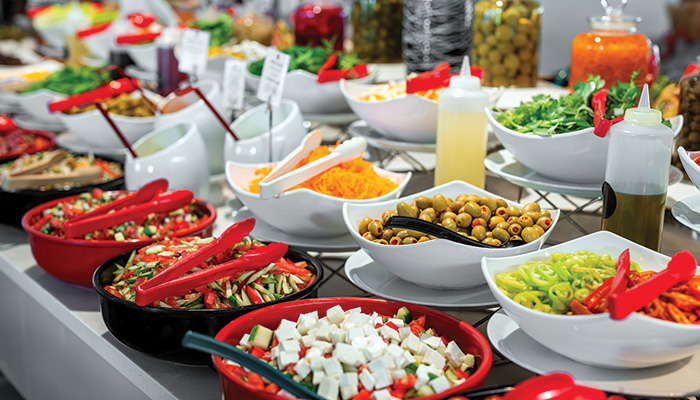
All-inclusive packages include accommodation, all meals, drinks (alcoholic and non-alcoholic in many resorts), snacks, and often extra perks like entertainment or sports facilities.
Pros:
• Convenience - everything is included, so you don’t have to worry about meal planning or extra costs.
• Predictable budget - the price is fixed upfront, which can help avoid overspending.
• Great for families - kids’ clubs, buffets, and entertainment options make it ideal for family holidays.
• Less hassle - you can fully relax without worrying about where to eat or how much things cost.
Cons:
• Can be expensive upfront - all-inclusive resorts often have higher initial costs.
• Limited local experience - you may miss out on authentic local food and restaurants.
• Food quality varies - buffet-style dining can sometimes lack variety.
• Overeating temptation - unlimited food and drinks can lead to waste or unhealthy habits.
Best for: families, beach resort stays, holidaymakers who want a stress-free, all-in-one experience.
2. Half-Board
Half-board usually includes breakfast and dinner at the hotel. Lunch and drinks outside of meals are not included.
Pros:
• Flexibility - you can explore local restaurants or street food for lunch.
• Balanced budget - cheaper than all-inclusive while still providing key meals.
• Good for day trips - a big breakfast fills you up and fuels your day, and you can return for a hearty dinner.
• Mix of convenience and freedom - ideal if you want to try some local cuisine without fully self-catering.
Cons:
• Extra costs for lunch and drinks - meals outside of breakfast and dinner are not covered.
• Planning needed - you’ll need to organise where to eat during the day / pick up snacks.
• Less value for short stays - if your holiday is short, you may not have enough time to explore outside dining.
Best for: couples, small groups, or solo travellers who want a mix of hotel convenience and local culinary experiences.
3. Self-Catering
Self-catering accommodation provides a kitchen or kitchenette so you can prepare and cook your own meals. This includes apartments, holiday homes, and some hostels.
Pros:
• Ultimate flexibility - eat what you want, when you want.
• Cost-effective - buying groceries and cooking can work out much cheaper than eating out every meal.
• Dietary control - perfect for special diets, allergies, or picky eaters.
• Local immersion - shopping at markets and cooking local ingredients can be a fun experience.
Cons:
• Time-consuming - you’ll spend time cooking, cleaning, and shopping.
• Fewer conveniences - no buffet or room service; dining out is optional but adds extra cost.
• Social limitations - less opportunity to meet other guests compared to hotel dining.
• Initial learning curve - cooking in a new place may be challenging if you’re not used to it.
Best for: long stays, budget-conscious travellers, families with dietary restrictions, or those who enjoy cooking and local markets.
How to Choose the Right Option
1. Consider your travel style
- Do you want complete convenience or adventure and exploration?
2. Check your destination
a. Resorts in remote locations may favour all-inclusive.
b. Cities or culturally rich destinations are better suited for half-board or self-catering.
3. Think about your budget
a. All-inclusive offers predictability.
b. Self-catering gives more control over day-to-day spending.
4. Duration of stay
a. Short trips often benefit from all-inclusive or half-board.
b. Longer stays may be more comfortable and economical with self-catering.
5. Family and group needs
a. Children and large groups often find all-inclusive simpler.
b. Couples or solo travellers may enjoy the freedom of half-board or self-catering.
Conclusion:
There’s no one-size-fits-all choice. All-inclusive offers simplicity and convenience, half-board strikes a balance, and self-catering provides freedom and cost control. Your ideal choice depends on your preferred travel style, budget, and how much local culinary exploration you want.
