
Wildlife Destinations That Offer Unforgettable Encounters
To Celebrate National Wildlife Day, discover five extraordinary destinations where you can observe wild animals thriving in their natural habitats.
National Wildlife Day (4th of September) honours Steve Irwin, the legendary wildlife conservationist. It encourages us to celebrate and raise awareness about all the beautiful species that share our planet with us.
Sadly, global wildlife populations have declined by around 73% since 1970. This stark statistic is a powerful reminder of the responsibility we hold as travellers to protect our natural world. Fortunately, there are incredible destinations across the globe where you can experience wildlife responsibly - and make memories that last a lifetime.
1) Madagascar
Madagascar is truly unlike anywhere else on Earth. Sometimes referred to as “The Eighth Continent,” this island nation broke away from mainland Africa around 160 million years ago, developing its own unique ecosystems and species.
Over 90% of the island’s wildlife is found nowhere else on the planet. Madagascar is home to 107 lemur species, from ring-tailed lemurs to the aye-aye, more than 100 endemic birds, 59 species of chameleons, and an astounding variety of reptiles, insects, and amphibians.
Visit Madagascar in October or November to witness baby lemurs, take a night safari to spot mouse lemurs and geckos, or head out to sea in June or September to watch humpback whales migrate past.
Explore rainforests in Andasibe-Mantadia National Park, marvel at the Avenue of the Baobabs, and discover rare creatures like the panther chameleon or the Ploughshare tortoise.
Choose eco-lodges and guided treks that support conservation, and you’ll be contributing to protecting Madagascar’s rare and irreplaceable biodiversity.
.jpg)
2) Costa Rica
Costa Rica is one of the most biodiverse countries in the world, home to more than 500,000 species - nearly 5% of all known life on Earth! It’s striking landscapes have been shaped by volcanic activity, with soaring mountains and lush valleys born from tectonic plate collisions.
With over 30 national parks and 12 climate zones, including rainforest and forest, you can see everything from iguanas to jaguars, howler monkeys, and poison dart frogs.
For the adventurous, the country offers zip-line rides through the forests, while those seeking a gentler pace can enjoy peaceful river safaris or nighttime turtle-watching along the shore.
Thanks to strong environmental policies, Central America is the first tropical country to have reversed deforestation, returning 60% of its terrain to tree cover! Today, 96% of Costa Ricans live in harmony with nature, and the country is a global leader in sustainable tourism. From eco-lodges to conservation-focused tours, Costa Rica proves that a country can thrive while protecting its natural treasures.
.jpg)
3) Scottish Highlands
For those looking for a wild escape closer to home, the Scottish Highlands offer an awesome wilderness experience.
Covering nearly 10,000 square miles, this region is home to wonderful species like red deer, golden eagles, pine martens, mountain hares, and the red squirrel. Puffins nest along the cliffs, and you might even spot bottlenose dolphins in the Moray Firth.
The Cairngorms National Park, Britain’s largest, is a haven for nature lovers, with hiking, skiing, ice climbing, and stargazing all on offer. With historic castles scattered across the landscape and ancient legends echoing through the valleys, the Highlands perfectly blend dramatic scenery with cultural heritage.
Wild Scotland, the national wildlife and adventure tourism association, aims for Scotland to be recognised as a premium destination for sustainable tourism.
Visitors are encouraged to minimise their impact on the environment by following the "leave no trace" principle, which includes proper waste disposal, staying on marked trails, and respecting wildlife and habitats.
.jpg)
4) Botswana
No wildlife bucket list is complete without an African safari – and Botswana is one of the best places to experience it!
This immense country - more than double the size of the UK and Ireland combined - boasts one of the highest concentrations of wildlife on Earth. It’s home to abundant lion, giraffe, hippo, wildebeest, and buffalo populations, as well as the world’s largest number of elephants, with nearly 130,000 roaming its landscapes.
Within Botswana’s Okavango Delta and Chobe National Park, visitors can experience a range of wildlife viewing activities including game drives, boat safaris, bush walks, and even mokoro (canoe) excursions, offering close encounters with animals in their natural habitats.
Botswana is a pioneer in sustainable tourism, with a strong focus on low-impact, high-quality experiences. Its National Ecotourism Strategy, introduced in 2002, ensures wildlife conservation and community benefit go hand in hand. Visit eco-friendly camps, support rhino conservation, and take part in ethical safaris that preserve this remarkable wilderness for future generations.
An African safari here isn’t just a trip; it’s a once-in-a-lifetime journey that will stay with you forever.
.jpg)
5) Ranthambore, India
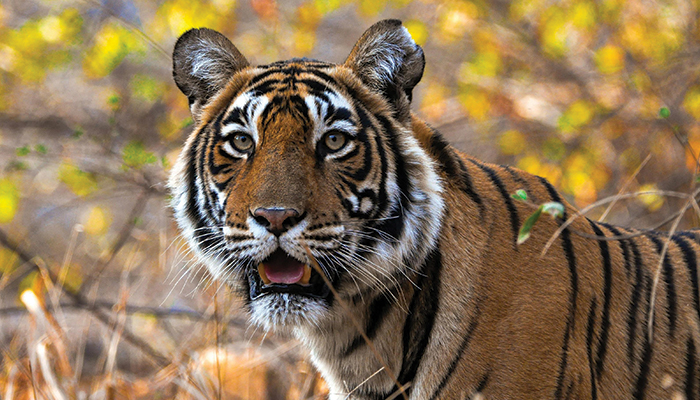
In Rajasthan is the iconic Ranthambore National Park, where ancient ruins meet wild jungle. Once a royal hunting ground, it’s now one of the best places in India to see Bengal tigers in their natural habitat.
Beyond tigers, you’ll encounter leopards, sloth bears, sambar deer, wild boars, and over 300 bird species! Jeep safaris can take you deep into the park’s ten zones, each offering a different landscape and wildlife-viewing potential. The majestic Ranthambore Fort overlooks the reserve, while lakes and streams attract all manner of creatures, making this a rich and layered safari experience.
Ranthambore is also a leader in India’s sustainable tourism efforts. Eco-lodges and responsible tour operators help preserve this incredible ecosystem and empower the people who live alongside it. Community-based initiatives and conservation projects ensure that both wildlife and local residents benefit.
.jpg)
As awe-inspiring as these destinations are, it’s essential to visit them responsibly. Sustainable wildlife tourism plays a key role in protecting fragile ecosystems and supporting local communities. Choose ethical safari operators, stay in eco-conscious accommodations, and follow local guidelines for wildlife viewing.
By making thoughtful travel choices you help ensure that these incredible places and the species that call them home remain for generations to come.
