

Top Destinations To Visit Before They Disappear From The Planet
Plan a holiday to one of these extraordinary spots before it’s too late!
There are some incredible, one-of-a-kind places on earth that may soon be gone forever. We’ve heard about the effects of climate change and there are speculations on how soon these places will completely disappear from the face of the earth and exist only on the pages of history books. Visit now, before it’s too late!
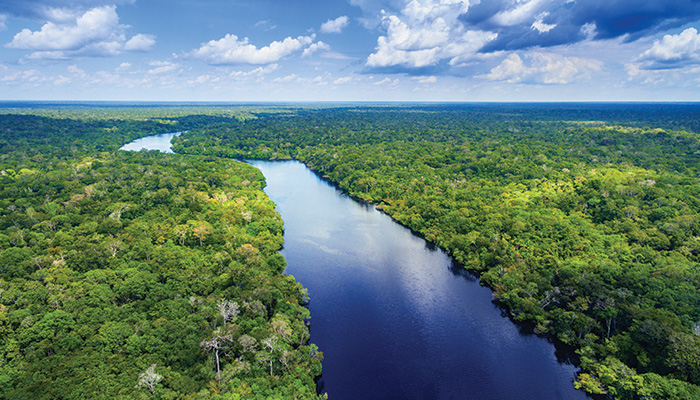
Amazon Rainforest, Brazil
Nicknamed the "Earth’s Lungs", Amazon Rainforests is millions of years old and home to over a third of planet’s flora and fauna as well as some of the world’s last untouched tribes. However, the vast forest is under serious threat from deforestation and has lost over 40 percent of its cover over the past few decades to mining, industrial agriculture and illegal logging.
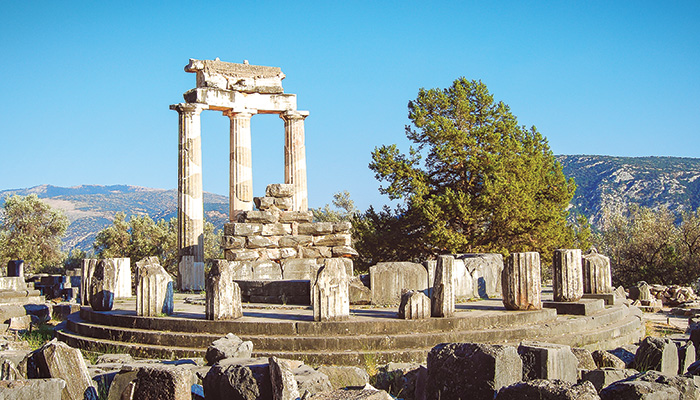
Olympia, Greece
The ancient city of Olympia is one of Greece’s top archaeological sites and has been inhabited since prehistoric times. It is also the site of the first ever Olympic Games held in 776 BC. Over last few years, hot and dry summers have led to rampant wildfires in the surrounding areas and has been the cause of worry of climate experts. It would be wiser for history buffs to visit the ruins before it’s too late!
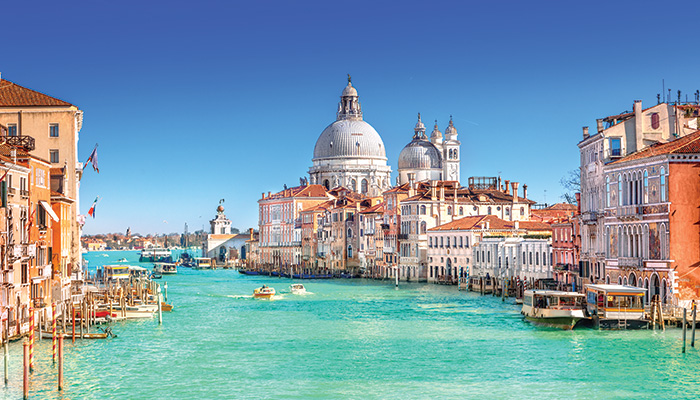
Venice, Italy
We may lose the ‘Floating City’ to the sea. Venice is not only sinking on its wooden foundations but also is under threat from rising sea levels. A project is underway to install mobile floodgates but experts are unsure if these defences are enough to save the city. So, if you’ve always wanted to go to Venice, now is a good time to do so!
The Maldives
We all love the Maldives for its pristine beaches, spectacular snorkelling spots and luxury water villas but the future doesn’t look bright for this island country. According to the UN Environmental Programme, the Maldives could be the first nation that we lose to the ocean if the sea levels continue to rise, potentially by the end of twenty first century.
.jpg)
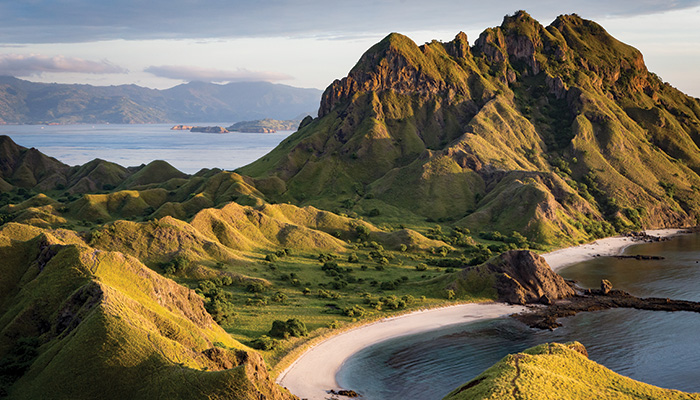
Komodo Island, Indonesia
Komodo island is home to Komodo National Park established in 1980 to protect the endangered Komodo dragons and attracts tourists and photography enthusiasts from every corner across the globe. Today, the island and its surrounding waters are under threat from coral bleaching and ocean acidification due to a rise in population and backpacking tourism. It has already changed the face of this once untouched island.
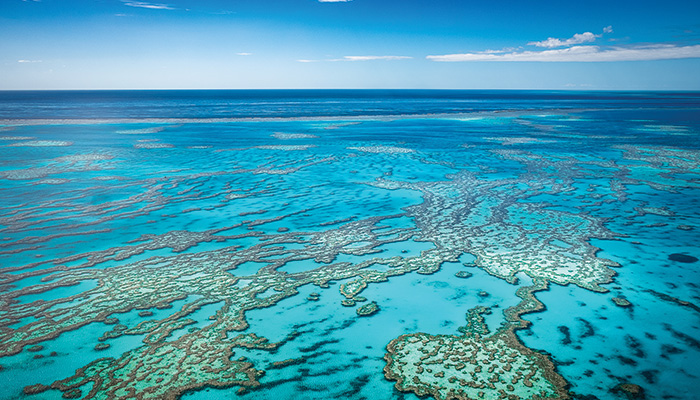
Great Barrier Reef, Australia
Boasting 2900 coral reefs, 600 islands and more than 1500 species of fish, the Great Barrier Reef is currently one of the most biodiverse places on earth. However, you’ll be surprised to know that the reef has already lost half of its coral coverage in last 30 years due to coral bleaching, ocean acidification and increased tropical storms. Experts predict that the coral reefs could face irreversible damage by 2030 if the sea temperature and carbon pollution levels continue to rise.
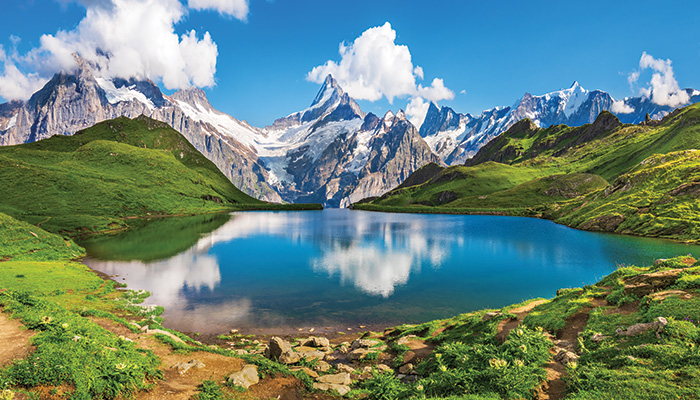
Glaciers of the European Alps, Switzerland
The Alps started melting 150 years ago but the rate of glacier shrinking has risen dramatically since 1980s. While you’ll see hundreds of new crystal-clear water bodies emerging on the Alps, locals are worried that snow avalanches may cause tidal high waves resulting in the flooding of their villages.
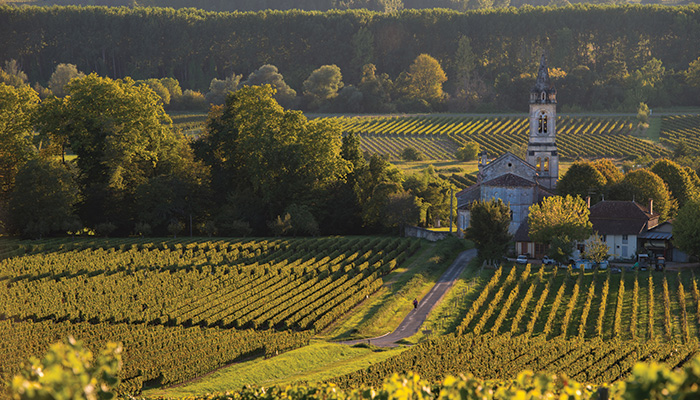
Bordeaux Vineyards, France
When the apocalypse finally comes, you may not be able to drink away your sorrows as France’s beloved wine growing region may face a huge fall in production over next 40 years due to a shift in climatic conditions like temperature, rain and sunshine. Because of this, French wine producers are hurrying to buy land in Sussex and Kent in southern England where the vine coverage has nearly doubled over past few years.
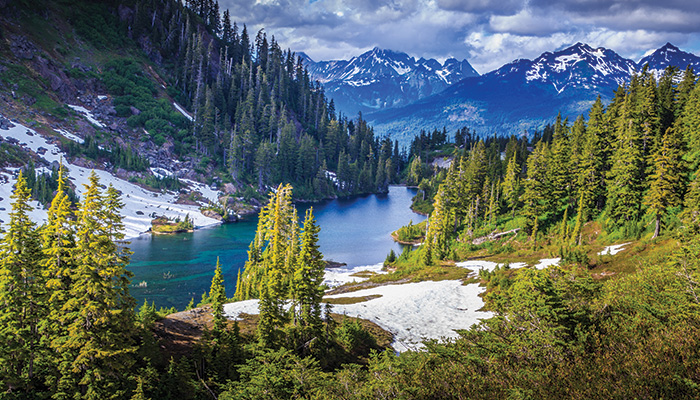
Glacier National Park, United States
Montana’s Glacier National Park is popular for its picturesque hiking trails with alpine meadows and beautiful lakes but this rugged park may soon face a name change. Only 25 glaciers out of original 150 remains today and scientists are of the view that these remaining glaciers will survive only for 15 years if the planet continue to warm at this rate.
Mount Kilimanjaro, Tanzania
The snow-capped peak of Africa’s highest Mount Kilimanjaro is the most vivid example of global warming in action. Experts have found that 85 percent of ice that covered the mountain in 1912 has melted with some predicting that Tanzania’s glaciers could completely disappear within the next two decades. So, if you’ve always dreamed of going to this legendary place, maybe it’s time you start planning your trip before its changed forever.
.jpg)
