
How Easter is Celebrated Around the World
To mark the upcoming Easter holiday, we delve into the unique religious and cultural traditions practiced and celebrated across the globe during Easter.
United Kingdom
It wouldn’t be a blog about Easter if we didn’t include our home country!
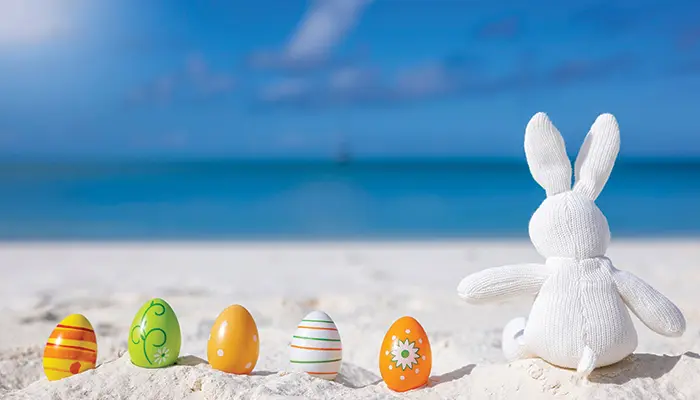
Easter in the UK is a cultural extravaganza with lots to be celebrated and enjoyed, from easter egg hunts and easter bonnet decorating competitions to indulging in chocolate eggs and traditional currant hot cross buns (with new takes like marmite, cheese, and chocolate being introduced in recent years), meeting the Easter Bunny, spring-themed activities, enjoying a lamb roast on Easter Sunday, and lots of quality family time over the long weekend, with loved ones exchanging chocolate eggs and treats as gifts.
Bulgaria
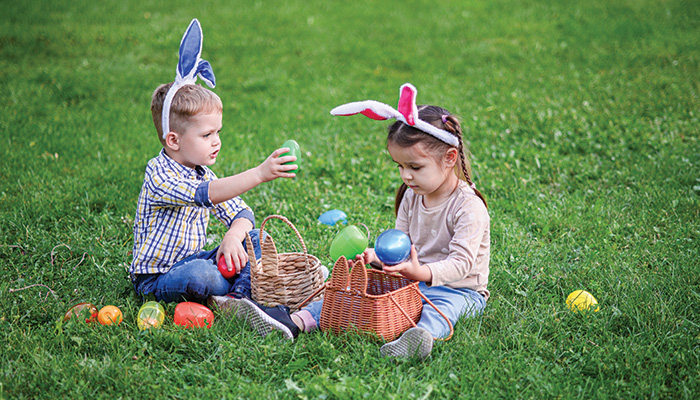
Easter in Bulgaria is a celebration of ancient Orthodox traditions. One of the most cherished customs is the egg-cracking game, where families paint eggs in bright colours, always starting with red for health and prosperity. On Easter Sunday, loved ones engage in friendly battles, tapping eggs against each other to see whose will remain unbroken, symbolising strength and good fortune for the year ahead.
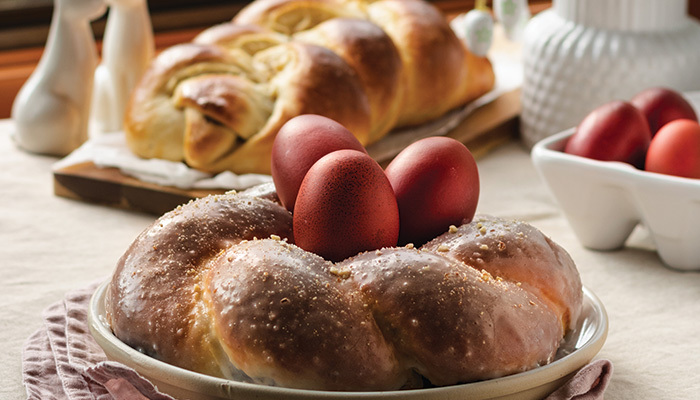
The holiday is also marked by lavish feasts featuring kozunak, a sweet, braided bread like panettone, enjoyed after the long Lenten fast. Midnight church services bring communities together, as candle-lit processions fill the night with hope and renewal.
Egypt
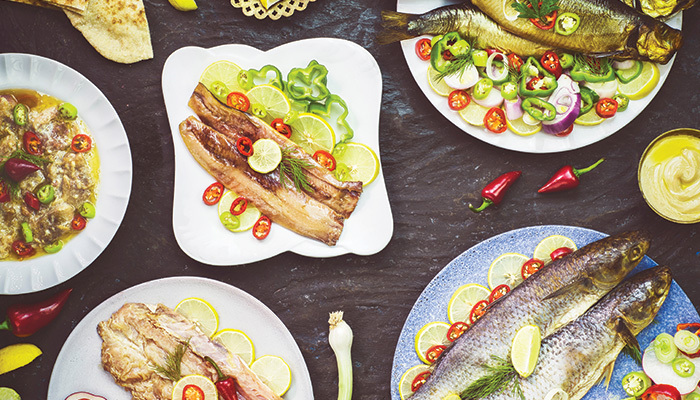
In Egypt, Easter is celebrated as Sham El-Nessim, a festival with roots stretching back to the time of the Pharaohs. The name means ‘sniffing the breeze,’ but the traditions are deeply symbolic. One of the most distinctive customs is the preparation of feseekh, a pungent, fermented, salted fish dish that has been part of Egyptian Easter feasts for centuries. Egyptians joke that you either love it or hate it, but everyone agrees it’s a symbol of resilience and good fortune.
Families also decorate and dye eggs, much like in Bulgaria, an ancient practice that represents the cycle of life and rebirth. Then there’s the quirky addition of lettuce and green onions, ancient symbols of growth, piled onto plates as a nod to the earth’s rebirth.
Australia
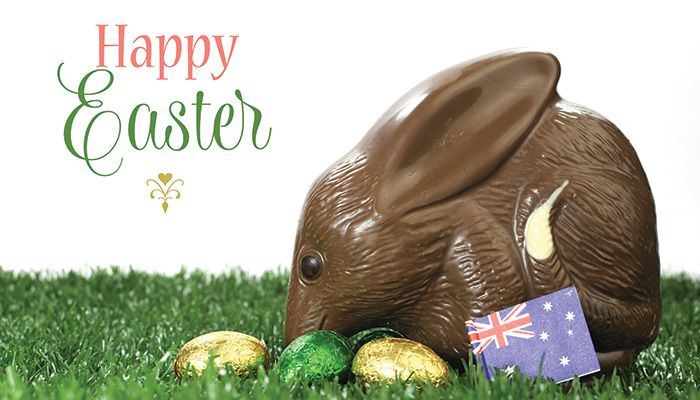
Due to their history of damaging crops, rabbits aren’t particularly beloved in Australia — which is why the native marsupial, the Bilby, has taken the Easter spotlight. With his long ears and endearing face, the Easter Bilby, the Australian take of the Easter bunny now delivers chocolate eggs to children, offering a uniquely Australian twist on tradition.
Austria
Celebrating Easter in Austria is a wonderful mix of tradition, family, and fun. On Holy Saturday night, families gather around a big bonfire which symbolises Jesus’ resurrection and the return of light; watching the fire flicker with the family is a peaceful moment that sets the tone for the weekend.
Easter Sunday involves an exciting Easter Egg decorating competition, with some regions, like Lungau, famous for their special and unique techniques - specifically Grawirlacheier, a technique that involves using wax to create intricate patterns. Also found across Austria during Easter are colourful Easter markets selling festive, seasonal decor.
.jpg)
Guatemala
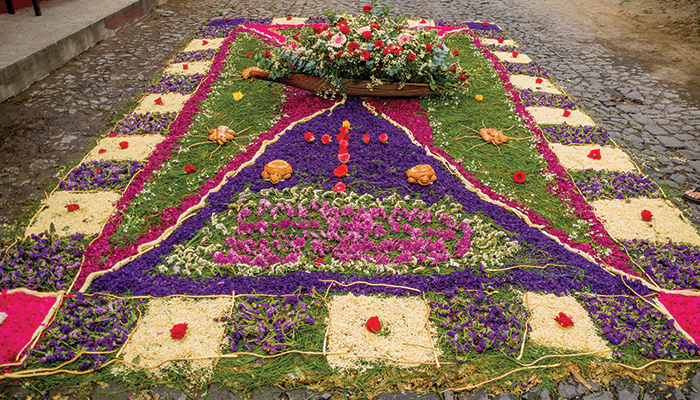
In Guatemala, Easter is marked by stunning artistic expression. Residents create intricate carpets (alfombras) made of sawdust and flowers, often stretching over a kilometer long. Crafted over several days, these beautiful paths are eventually walked on by processions heading toward local churches for traditional Easter services.
Perhaps the most important Easter celebration to note in Guatemala is the Semana Santa – Holy Week, a UNESCO Intangible World Heritage that comprises a mixture of Catholic practices and ancient Maya traditions, plus seasonal street art, floats, and processions.
Greece
Greek Easter traditions are deeply symbolic.
The country celebrates Holy Week to commemorate the Passion of Christ, followed by the celebration of His Resurrection on Easter Sunday. Maundy Thursday takes part during Holy Week, where traditional Easter specialties are enjoyed across the country including Greek tsoureki brioches and lamprokouloura cookies. Families dye boiled eggs red, representing the blood of Christ and the sealed tomb.
Good Friday sees church Epitaphios icons decorated with colourful flowers, and the streets of local villages take part in psalm chants. On the island of Corfu, Holy Saturday features the unique custom of tossing clay pots filled with water from balconies — a joyful way to welcome spring and new crops. Then finally, on Easter Sunday, lamb is commonly enjoyed along with folk music and dance.
.jpg)
Poland
In Poland, on Holy Saturday, baskets are filled with traditional food, and brought to the church for blessing.
Easter Sunday Mass is an important part of Poland’s Easter celebrations, with a ceremonial service followed by a vigil, and a festive breakfast feast where food is shared from the Easter baskets.
Easter Monday in Poland is called Smigus-Dyngus, translating as Wet Monday. People splash water on one another in a playful tradition that dates back to the baptism of a Polish prince. This refreshing custom, also observed in other parts of Central and Eastern Europe, is a symbolic and festive Christian celebration.
.jpg)
Norway
In Norway, the Easter (påske) season begins with palmesøndag - Palm Sunday, followed by kjærtorsdag - Maundy Thursday and angfredag – Good Friday.
Norwegians celebrate the Easter holiday in a truly unique way — by diving into crime novels, TV dramas, and murder mysteries. Known as påskekrim (Easter crime), this tradition turns the holiday into a time of suspense and intrigue. No other country embraces mystery quite like Norway during Easter!
Other Norwegian Easter celebrations include skiing before the season ends, Easter eggs filled with sweets, bright yellow decorations, and indulging with Kvikk Lunsj chocolate.
.jpg)
The world and its unique cultures are truly fascinating. Wishing everyone a Happy Easter, wherever and however you celebrate it!
