
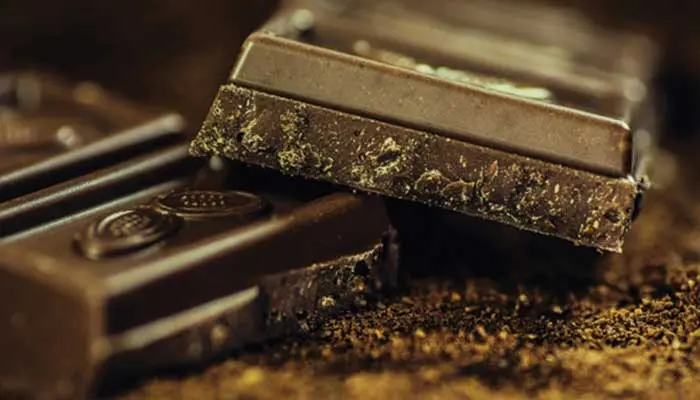
Around the World in Chocolate: Top Destinations for Chocolate Lovers
In honour of World Chocolate Day (7th July), we’re exploring five destinations that offer unforgettable chocolate experiences. Where will your sweet tooth take you?
Chocolate, also known as the “food of the gods,” has a fascinating story that spans centuries and continents. From ancient rituals to artisan innovation, cultures across the globe celebrate chocolate in unique and delicious ways.
Oaxaca, Mexico
The birthplace of chocolate, Oaxaca offers a cultural and culinary journey like no other. In this southern Mexican region, cacao is more than a sweet treat- it’s a deeply rooted part of life, tradition, and ritual. For generations, indigenous communities have used cacao in everything from spiritual ceremonies to everyday cooking. One of the most traditional ways to enjoy chocolate here is as a hot beverage made with water and spices, a preparation method that dates back thousands of years.
A standout of Oaxacan cuisine is mole, a complex, savoury sauce made with chillies and chocolate that’s rich in flavour. As you explore the markets, the scent of freshly ground cacao fills the air, drawing you to shops where you’ll find traditional tools like the molcajete, molinillo, and jarra still in use. This is one of the few places in the world where chocolate is still made in the same way it was in ancient times- and you can taste the legacy in every sip and bite.
.jpg)
Brussels, Belgium
Belgium is a world-renowned chocolate destination, and its capital Brussels is at the heart of it. The capital is home to celebrated chocolatiers such as Neuhaus, Pierre Marcolini, and Leonidas, each offering exquisite creations. It was in Brussels that the praline was invented in 1912, and today, you can find an array of these filled chocolates in elegant boutiques near the Grand Place.
For those interested in diving deeper into the country’s sweet history, the Choco-Story Museum offers a fascinating look at the history of Belgian chocolate-making. Even a trip to the supermarket can yield delicious treasures - Côte d'Or bars are a local favourite and a budget-friendly souvenir that doesn’t compromise on taste. Belgium produces over 170,000 tonnes of chocolate annually and is home to more than 2,000 chocolatiers, making it a paradise for chocolate enthusiasts whether you prefer dark, milk, or filled varieties.
.jpg)
Switzerland
Switzerland is renowned for elevating chocolate into a fine art, particularly with its invention of milk chocolate. In 1875, Daniel Peter developed the first version using condensed milk from his neighbour Henri Nestlé, a combination that revolutionised the industry. Today, Switzerland remains a powerhouse in chocolate production and consumption, with Swiss people eating more chocolate per capita than anyone else—about 8.8 kilograms per year!
A visit to the Lindt Home of Chocolate near Zurich is a must for any chocolate lover. It has the largest Lindt shop in the world, an impressive chocolate fountain, and an interactive museum dedicated to Swiss chocolate culture. Other beloved, immersive chocolate destinations include Maison Cailler in Broc and Maestrani's Chocolarium in Flawil, where you can enjoy factory tours, tastings, and hands-on experiences. Paired with the stunning alpine backdrop, Switzerland offers an unforgettable blend of scenery and sweetness.
.jpg)
Japan
In Japan, chocolate has been reimagined with playful creativity. The humble KitKat, for example, has become a national obsession with over 300 unique flavours ranging from matcha and wasabi to sake and purple sweet potato. Part of the appeal lies in the name itself: Kitto Katsu, which sounds like “you’ll surely win” in Japanese, making it a popular good-luck gift. In Tokyo, the KitKat Chocolatory offers premium editions, while department stores in cities like Osaka stock exclusive regional varieties.
Beyond KitKats, Japan boasts a vibrant artisanal chocolate scene. Brands like Royce’, Meiji, and Minimal focus on bean-to-bar and specialty creations that showcase Japanese ingredients such as yuzu citrus, sake, black sesame, and even red bean. Many Japanese chocolatiers draw inspiration from wagashi, traditional Japanese sweets, often incorporating mochi and anko into their recipes. This fusion of traditional and modern flavours highlights Japan’s ability to blend its heritage with innovation, resulting in chocolates that are as unique as they are delicious.
.jpg)
Ecuador
Ecuador is one of the world’s most important cacao-producing countries, particularly famed for the prized Arriba Nacional variety, which is known for its floral aroma and complex fruity notes. In regions like Mindo and Quito, travellers can immerse themselves in the entire chocolate-making process, from cacao harvest to bar production.
Hands-on workshops offer visitors the chance to learn traditional fermentation techniques and make their own truffles, while tasting award-winning chocolate from ethical, sustainable brands like Pacari. Ecuador’s chocolate culture is deeply connected to the land and its people, and many chocolate tours give guests the opportunity to meet local farmers and explore cacao plantations nestled in the Amazon or highlands. This farm-to-bar experience is both educational and indulgent, making Ecuador a must-visit for conscious chocolate lovers.
This World Chocolate Day, why not turn your cravings into an adventure?
